Machine-panel products selected around the equipment duty
Equipment builders need electrical panels that protect the supply and individual loads, perform the required switching sequence and present clear controls to the operator. A repeatable component structure reduces variation between prototypes, production units and replacement orders.
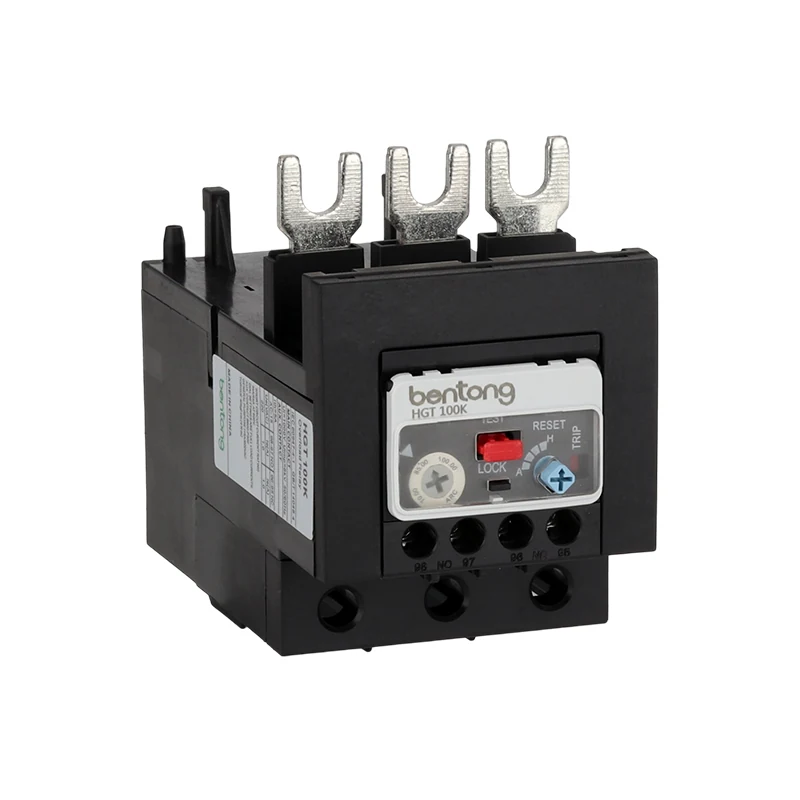
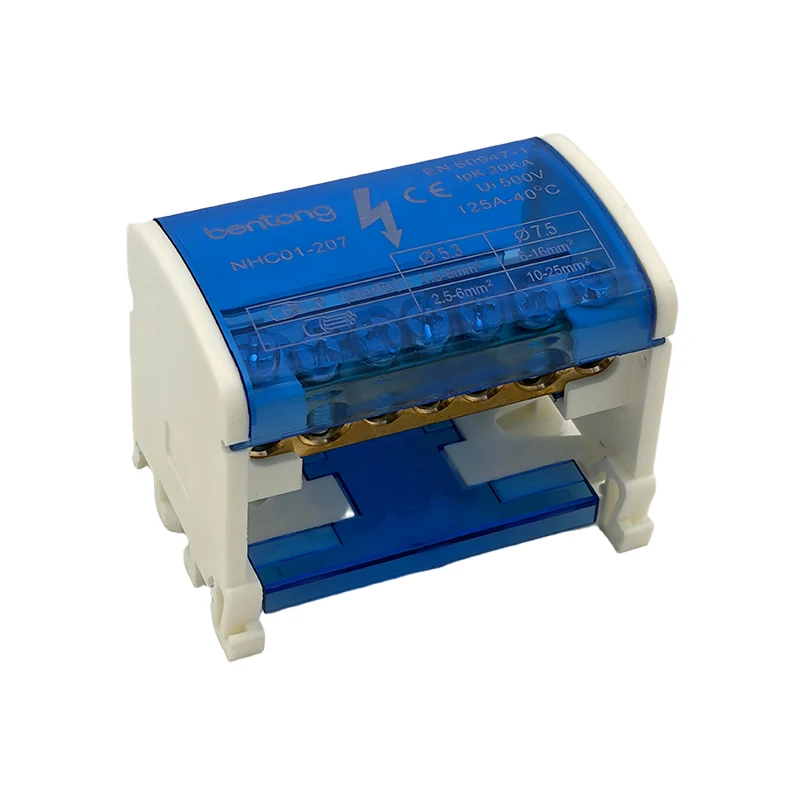
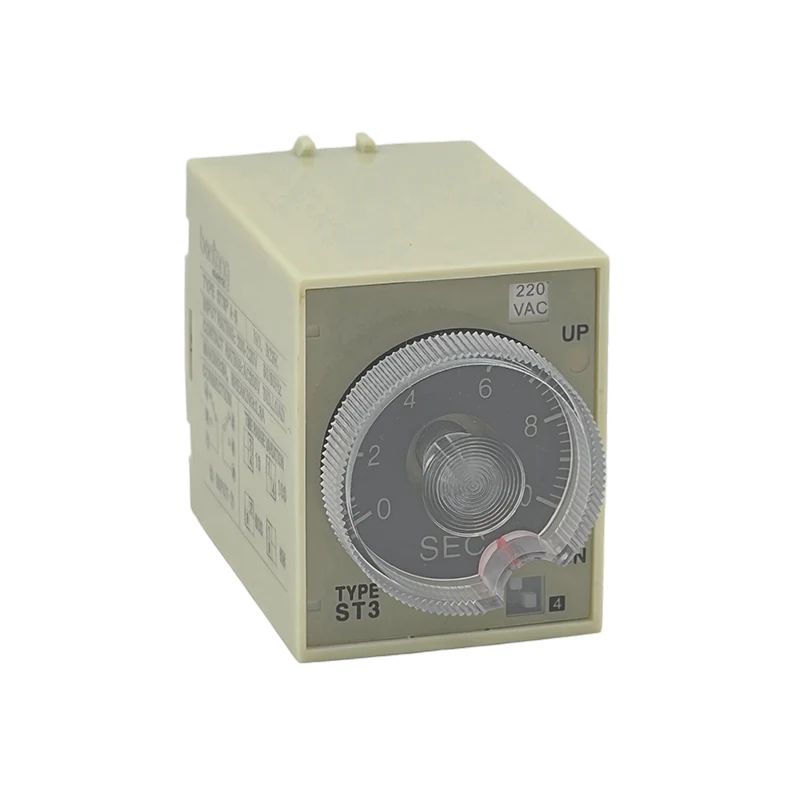
Bentong provides circuit breakers, AC contactors, protection and control devices, and industrial buttons for machinery and equipment panels. The machine builder must validate final ratings, protective coordination and emergency functions against the completed design and risk assessment.
Key electrical requirements
Equipment-level isolation
Define incoming protection and a clear means of isolating the machine or functional section.
Load-specific switching
Select contactors from the connected load, utilisation duty, control voltage and operating frequency.
Usable operator controls
Place clearly identified commands where operation, reset and emergency intervention occur.
Stable production BOM
Control model references and approved alternatives across manufacturing batches.
Recommended system approach
Define the incoming point
Select main protection and isolation from the equipment supply, demand and prospective fault current.
Separate functional feeders
Divide motors, heaters, controls and auxiliaries so each circuit can be protected and serviced appropriately.
Match the switching duty
Specify contactors and control products from the load category, command voltage and operating sequence.
Control the production record
Link the electrical drawing, BOM, labels and replacement list to a defined product configuration.
Product roles within the solution
Molded case circuit breakers
Main or larger feeder protection for machine panels and packaged equipment.
Branch protection devices
Protection for individual loads, control power and auxiliary circuits.
AC contactors
Commanded switching for compatible motors, heaters and other equipment loads.
Buttons and emergency controls
Operator commands selected and positioned in line with the machine control and safety design.
Typical application areas
Information needed for product selection
Machine supply
Voltage, frequency, phases and available short-circuit current.
Connected loads
Ratings, starting current, duty and conductor information for each feeder.
Control scheme
Control voltage, command sequence, auxiliary contacts and interlocks.
Operating frequency
Switching cycles, starts per hour and expected service conditions.
Panel constraints
Enclosure, mounting space, temperature, ventilation and terminal access.
Repeat supply
Forecast quantity, model control, branding, packaging and document set.
Project benefits
- Consistent protection and control structure between machines
- More stable component references for production purchasing
- Clearer replacement information for equipment users
- The same model and packing on repeat orders